How Suspension Upgrades Enhance Driving Comfort

Driving comfort is influenced by more than just seat design and cabin features. The suspension system plays a central role in how a vehicle absorbs road imperfections, maintains stability, and delivers a smooth ride. Factory suspension setups are typically designed to balance cost, durability, and average driving conditions, which means they may not fully meet the preferences of every driver. Suspension upgrades offer an opportunity to refine ride quality, improve handling, and reduce the impact of rough terrain. Understanding how these enhancements work helps drivers make informed decisions that elevate both comfort and overall driving performance.

Improved Shock Absorption and Ride Quality

One of the most noticeable benefits of suspension upgrades is enhanced shock absorption. Upgraded shock absorbers and struts are engineered to manage better bumps, potholes, and uneven road surfaces than standard components. By controlling how quickly the suspension compresses and rebounds, these parts reduce excessive cabin bouncing and vibrations. Drivers and passengers experience a smoother ride, especially on poorly maintained roads. Improved damping also prevents the vehicle from feeling unstable after hitting a bump, contributing to a more controlled and comfortable driving experience over long distances.

Enhanced Stability and Vehicle Control

Comfort is closely linked to stability. A vehicle that leans excessively during turns or feels unsettled at higher speeds can cause discomfort and fatigue. Suspension upgrades, such as performance springs or sway bars, improve weight distribution and reduce body roll. By keeping the vehicle more level during cornering and sudden maneuvers, these components provide a sense of confidence and security. Stable handling reduces the need for frequent steering corrections, contributing to a more relaxed and enjoyable driving experience, particularly on highways or winding roads.

Customization for Driving Conditions

Every driver encounters different road conditions, from urban streets to rural highways. Suspension upgrades allow customization based on specific driving environments and personal preferences. Adjustable coilovers, for example, enable drivers to modify ride height and damping levels to achieve the desired balance between comfort and performance. Softer settings can prioritize smoothness, while firmer adjustments may enhance responsiveness. This flexibility ensures the suspension system can be tailored to daily commuting or occasional performance driving, improving comfort without sacrificing versatility.

Reduced Wear on Other Components

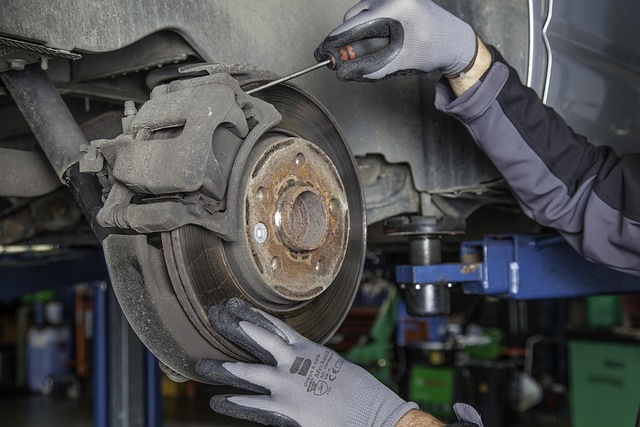
An optimized suspension system not only enhances comfort but also protects other vehicle components. When shocks and springs function efficiently, they reduce stress on tires, steering components, and chassis parts. Excessive vibrations and uncontrolled movement can accelerate wear and increase maintenance costs. By maintaining proper alignment and effectively absorbing road impacts, upgraded suspension components help preserve the vehicle’s overall integrity. This contributes to a quieter cabin environment and consistent ride quality over time.

Long-Term Driving Satisfaction

Upgrading the suspension can transform the overall driving experience, making everyday commutes less tiring and long journeys more enjoyable. A smoother ride reduces physical strain on occupants, while improved handling enhances driver confidence. Over time, the combined benefits of comfort, stability, and durability contribute to greater satisfaction with the vehicle. Drivers who invest in quality suspension components often find that the improvement in ride quality justifies the upgrade, especially if the vehicle is used frequently or driven on varied road surfaces.

Suspension upgrades enhance driving comfort by improving shock absorption, increasing stability, enabling customization, and reducing wear on critical components. By refining how a vehicle interacts with the road, these enhancements create a smoother and more controlled ride. For drivers seeking a more comfortable and confident driving experience, investing in suspension upgrades can deliver lasting benefits that enhance both daily travel and long-distance journeys.
auto-repair

How to Choose a Trustworthy Auto Repair Shop

When your car starts making strange noises or refuses to start, finding a reliable auto repair shop becomes a top priority. But with so many options, it can be hard to know who to trust. The wrong choice might cost you time, money, and even vehicle safety. That’s why choosing the right auto repair shop matters more than you might think.

Start With Reputation

Reputation should always be your first checkpoint. Ask around. Talk to family, friends, or coworkers. They’ll likely steer you away from bad experiences and toward shops they trust. Online reviews can also give insight. Look beyond the star rating and read what people actually say. Do customers mention honesty, fair pricing, and quality work? That’s a good sign. Be wary of places with vague responses or repeated complaints about the same issues.

Clear Communication Is Key

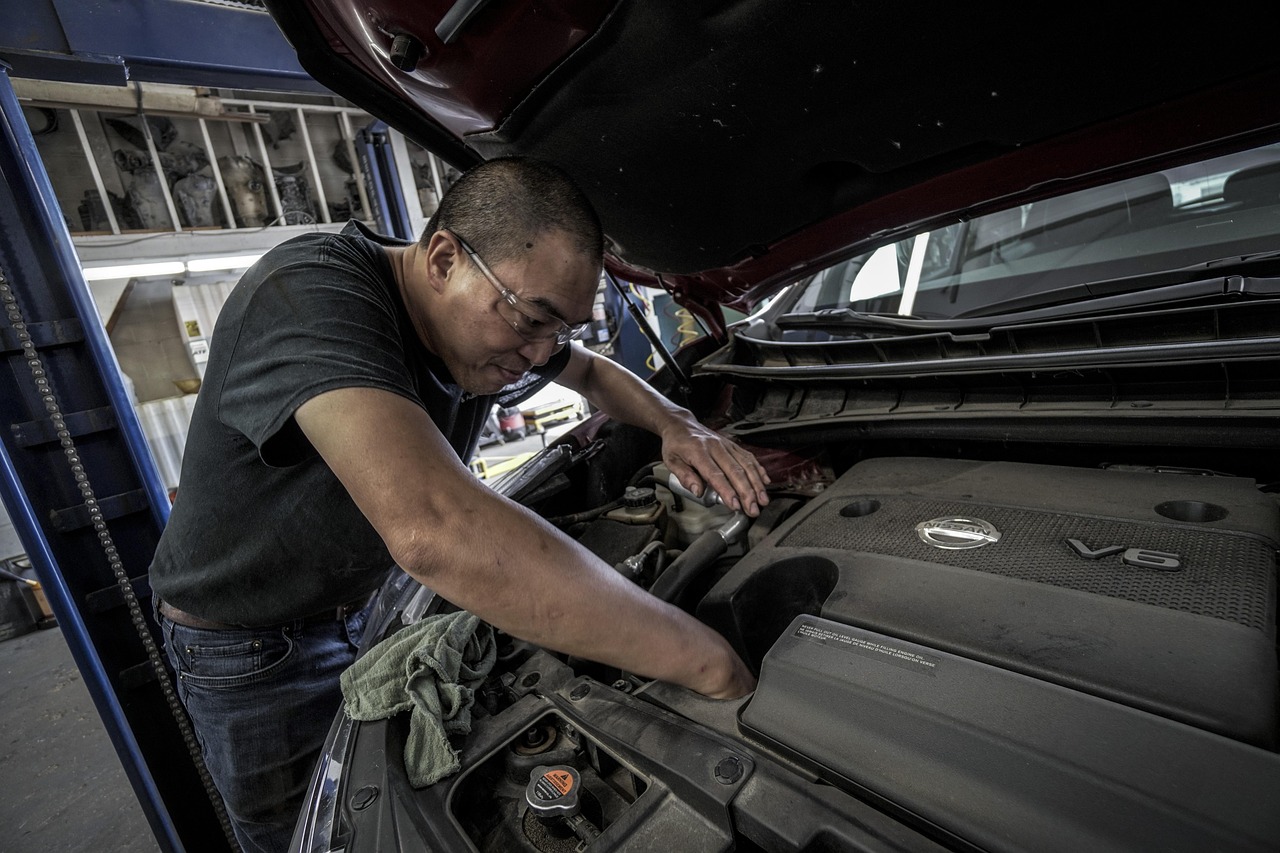
One of the biggest red flags in auto repair is poor communication. A good shop will clearly explain what’s wrong with your car. They should describe the repairs, the cost, and how long the work will take. You should never feel pressured into making a decision. A reliable mechanic will take time to answer your questions and give you options. This transparency builds trust.

fix

Cleanliness and Organization

An auto shop doesn’t need to look like a showroom, but it should be clean and organized. If tools are scattered, floors are covered in grime, or no one greets you at the counter, take it as a warning. A tidy space often reflects how a business handles your vehicle behind the scenes. The order suggests professionalism and attention to detail.

Ask About Warranties

Reputable repair shops often stand behind their work. Ask if they offer warranties on parts and labor. This gives you peace of mind in case something goes wrong after the repair. A shop that refuses to guarantee its work might be cutting corners. A warranty shows confidence in their service and helps ensure you’re not paying twice for the same issue.

Don’t Fall for Rock-Bottom Prices

Everyone loves a good deal. But when it comes to car repairs, the cheapest option isn’t always the best. Some shops offer low prices but use poor-quality parts or skip important steps. Instead, compare estimates from a few places. Look at the total value of service, warranty, and reputation not just the bottom line. Good work at a fair price is what you’re after.

Look for Long-Term Relationships

The best repair shops want long-term customers, not one-time profits. You should feel like they care about your car and your safety. They’ll help you plan maintenance and spot potential issues early. They might remind you about oil changes or tire rotations. This ongoing support is more valuable than a quick fix that leaves you back in the shop weeks later.

Look for Long-Term Relationships

Use Technology to Your Advantage

Many top-rated shops today use software to track service history, send digital estimates, and even share photos of damaged parts. These tools help make the repair process more transparent. You get to see exactly what’s happening with your car before agreeing to the work. This level of openness is becoming more common and is a unique way to build trust.

In Conclusion

Choosing a trustworthy auto repair shop doesn’t have to be stressful. Start with recommendations and reviews. Check certifications. Pay attention to how you’re treated and how the shop presents itself. Ask about warranties and don’t get tricked by prices that seem too good to be true. The right shop will value your time, your car, and your business. Once you find that kind of service, hang on to it. A dependable mechanic is worth their weight in gold.

tesla

The Biggest Problems Tesla Owners Face

As much as we love Tesla and its cutting-edge technology, it’s important to acknowledge that no car is perfect. Just like any other vehicle on the road, Tesla cars can encounter their fair share of issues. In this article, we will explore some of the most common problems reported by Tesla owners and discuss how they can be resolved. If you’re a proud Tesla owner or considering joining the electric revolution, read on to learn more about the challenges you might encounter.

Battery Issues

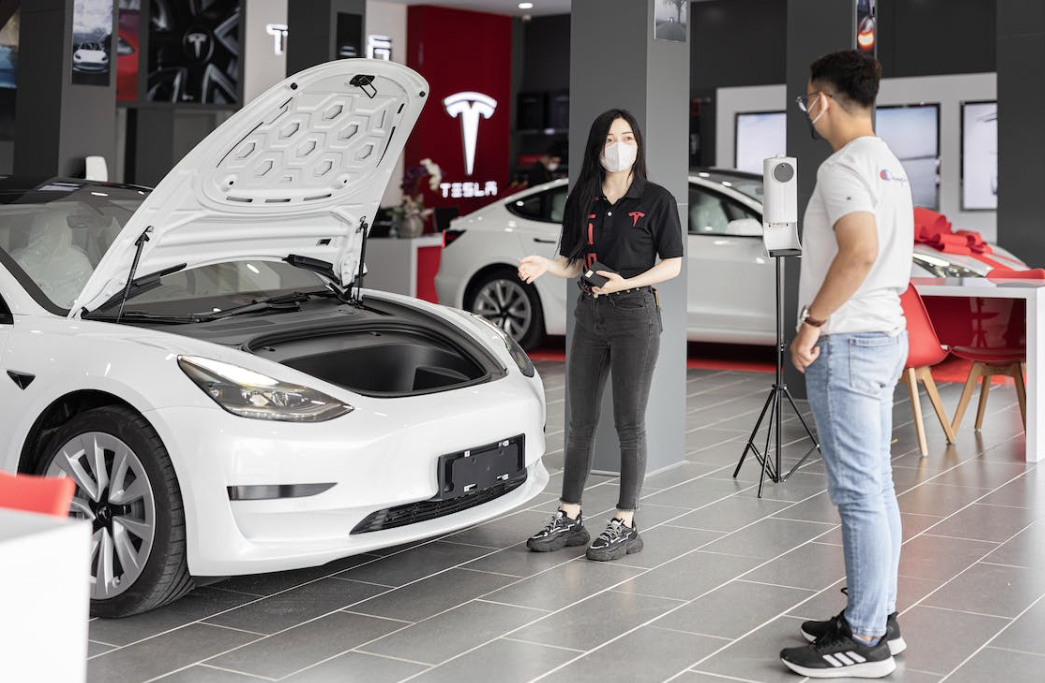
One of the most talked-about problems Tesla owners face is battery issues. While Tesla’s electric vehicles are designed to offer impressive range and performance, there have been cases where the battery life has not lived up to expectations. Some owners have reported experiencing a decrease in their car’s overall range over time. This can be attributed to various factors, including extreme weather conditions and improper charging habits. Owners must follow the recommended guidelines for charging their Tesla and avoid frequent fast-charging sessions, as these can put additional strain on the battery. Another concern is related to the degradation of the battery cells. Over time, lithium-ion batteries tend to lose some of their capacity, resulting in reduced range per charge.tesla car

Self-Driving Issues

Another talked-about feature of Tesla vehicles is their self-driving capabilities. While this technology has revolutionized the automotive industry, it’s not without its own set of challenges. There have been reports of Tesla owners experiencing difficulties with the Autopilot feature. Some users have complained about the system making incorrect lane changes or even failing to recognize certain road signs and obstacles. These issues raise concerns about safety and reliability, especially when relying on autonomous driving for long distances. Additionally, there have been instances where Tesla vehicles in Autopilot mode failed to respond effectively in certain driving scenarios.

Cost of Repair and Maintenance

The last aspect that Tesla owners often encounter is the cost of repair and maintenance. While Tesla vehicles are known for their cutting-edge technology, it comes with a price. The unique features and advanced components can lead to higher repair costs than traditional gasoline-powered cars. Tesla’s electric drivetrain requires specialized knowledge and expertise in repairs. Not all mechanics are equipped or trained to handle these complex systems, which can result in limited options for servicing your vehicle. This exclusivity often translates into higher labor costs at authorized service centers.tesla maintenance

While owning a Tesla may come with its fair share of challenges, such as battery issues, self-driving limitations, and higher costs for repairs/maintenance – it should not overshadow all the remarkable aspects that make driving an electric vehicle so appealing! As more research goes into addressing these hurdles current users face – we will undoubtedly witness continuous improvements from one of the industry pioneers – making your ownership experience even better! So, if you’re considering purchasing a Tesla or already own one – be aware of it.